The Linen Ledger: A Working Limit for the Shelf Behind the Door
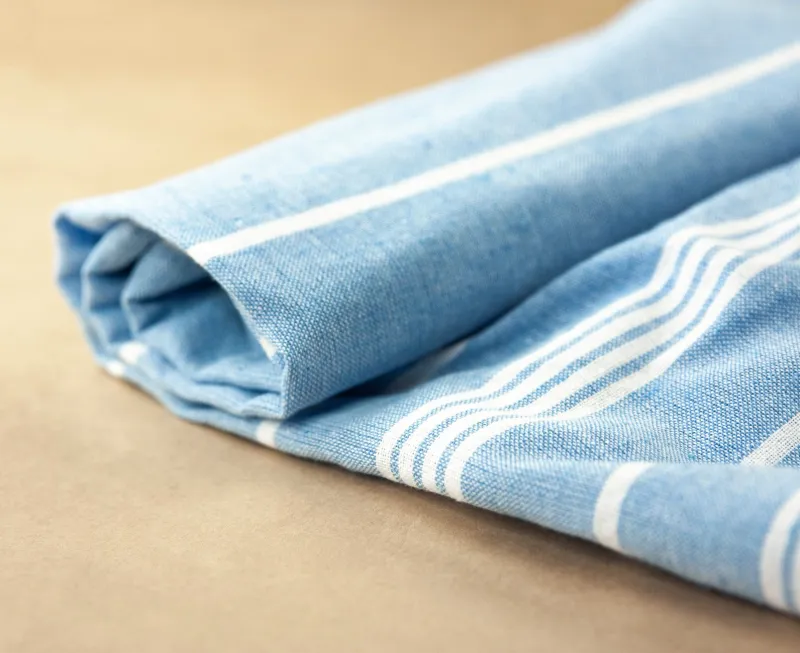
Every UK home has one: a door that sticks slightly, a warm shelf behind it, and a pile of bedding that seems to breed in the dark. The airing cupboard is meant to be a working shelf — the place where clean sheets wait their turn — but too often it becomes a spare-bedding archive. You open it, something slides, you shut it again. That is not storage. That is a low-level negotiation with fabric.
The good news is that the fix is not another storage box. It is a limit. A simple linen ledger, if you like: two sets per bed, two towels per person, one guest set. Everything else has to earn its place or leave. Here is how to make that work in a real British home, boiler and all.
Start With the Door, Not the Contents
Before you pull everything out, look at how the cupboard actually behaves. Does the door close without a shove? Is anything pressed against the boiler or the immersion heater? Are the shelves bowed? An airing cupboard is a warm, sometimes damp-prone space, and it needs airflow. If the shelves are crammed to the ceiling, the air cannot move and the linen cannot breathe.
So the first job is not a full clear-out. It is a gentle reset: take out the things that live on the floor or wedge against pipes, and set them aside. Keep the boiler area clear. Do not stack aerosols, candles or anything meltable near a heat source. This is a shelf for linen, not a general-purpose shed.
The Allowance: Two Sets, Two Towels, One Guest Bed
Here is the rule that does most of the work. For each bed in the house, keep two sets of bedding: one on the bed, one folded on the shelf. That is it. Not four. Not the set you bought because it was reduced, plus the one from the old flat, plus the one that nearly fits the spare bed if you fold it a certain way.
For towels, think two per person. A bath towel and a hand towel, or two bath towels if that is how your household runs. Add a couple of guest towels, not a whole shelf of them. For guests, keep one spare duvet and pillow set — one — plus a couple of pillowcases. If you regularly host four people, adjust the number. But adjust it deliberately, not by accident.
This allowance is not about being harsh. It is about making the cupboard legible. When you open the door, you should be able to see what you have and reach it without a yelp.
The Roll Call: What Earns Its Place
Now sort what is left into three piles: working linen, guest linen, and the stuff that has been living there because nobody wanted to deal with it.
Working linen is easy. It fits the beds you actually sleep in. It is clean, it is dry, and it is not held together by hope. Guest linen is the spare set. It should be complete — duvet cover, sheet, pillowcases — and stored together so you are not hunting for a missing pillowcase at 11pm.
The third pile is where the guilt lives. Inherited bedding from a relative, the duvet from a bed you no longer own, the towels that were once a hotel's. Be kind but practical. If a set does not fit any bed in the house, it is not spare bedding. It is fabric with a story. Keep one meaningful piece if you want to, but do not keep five. Donate the rest to a local charity shop, a animal rescue or a textile recycling point. The airing cupboard is not a museum, and you are not the curator.
For the 'just in case' items — the single duvet for a guest who has not visited since 2019 — give them a review date. Put a small label on the shelf: 'Review spring 2027'. If it has not been used by then, it goes. That gives you permission to decide later without pretending you have decided now.
Folded, Not Squashed: Storage That Breathes
Once you have the right amount, store it so the cupboard stays a working shelf. Fold bedding into neat rectangles and stack by bed size. Put the set for the bed you use most at eye level. Guest linen can go higher or lower, as long as it is labelled.
A classic trick is to fold each duvet set and tuck it inside its matching pillowcase. It keeps the set together and makes the shelf look calmer. Towels can be folded in thirds and stood upright in a basket or stacked flat. Do not overfill the basket; the point is to see what you have.
Avoid vacuum bags for long-term linen storage in a warm cupboard. They compress beautifully, but they also trap any lingering damp and make it easy to forget what is inside. Breathable cotton bags are better for spare duvets. If you use plastic boxes, leave the lid off or choose a ventilated one. And keep a small lavender bag or cedar block if you like the smell — just do not let it become another thing to trip over.
The Ten-Minute Monthly Check
A working shelf needs a small rhythm. Once a month, open the door and do a ten-minute check. Is anything falling? Is the guest set still complete? Has a towel gone missing to the bathroom pile? Re-fold the worst of it, put the stragglers back, and close the door knowing it will open again without drama.
The other half of the rhythm is one-in, one-out. Buy a new duvet set, and the oldest working set leaves. That is not a punishment. It is the ledger balancing itself.
A Shelf That Works
The airing cupboard does not need to be beautiful. It needs to be usable. Two sets per bed, two towels per person, one guest set — and a clear space around the boiler. That is enough. When you open the door, you should see linen, not a landslide. And when you close it, you should be able to walk away without making a mental note to deal with it later.