Heat, Shelves and a Plan: Reclaiming the Boiler Cupboard This Winter
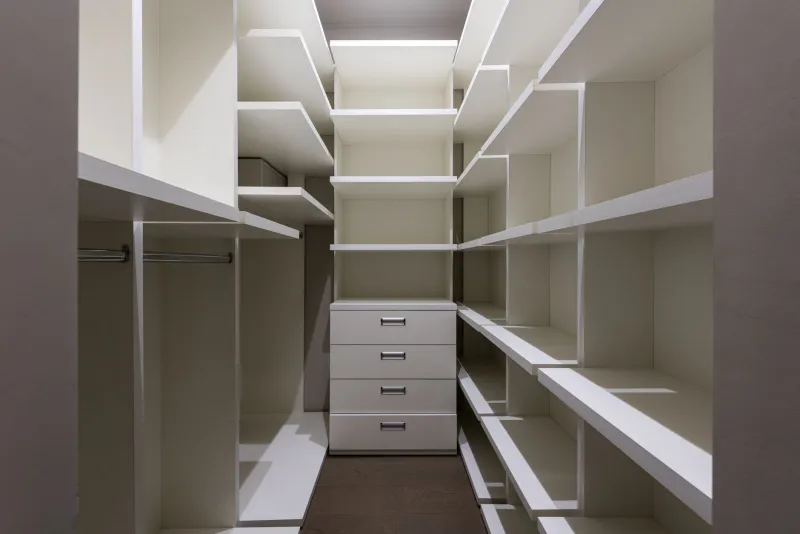
Every UK home seems to have one: the cupboard that hums, clicks and quietly cooks the spare loo roll. Sometimes it is a proper boiler cupboard; sometimes it is an airing cupboard with a hot water cylinder and a shelf that has slowly become a soft-play area for old towels. Either way, it is one of the most useful spaces in the house — and one of the easiest to ruin.
The problem is not that we store things in there. It is that we store everything in there. Cleaning sprays, spare bulbs, beach towels, a box of mystery cables, the iron, three bottles of fabric conditioner and a bag of something that might once have been pot pourri. As winter heating season gets going, that warm little cupboard starts to feel less like a utility hub and more like a mild fire risk with a door on it.
So let us give it a proper job. Not a perfect job — a working one.
Start with the heat-safe rules
This is the bit where calm organising meets common sense. Boiler cupboards and airing cupboards are warm by design, so anything that dislikes heat should not live there. That includes aerosols, paints, solvents, adhesives and many cleaning chemicals. Check the label; if it says keep away from heat or direct sunlight, it is not a boiler-cupboard item.
If your cupboard houses a gas boiler, keep the manufacturer's clearances and ventilation openings unobstructed. Do not stack boxes against vents, do not drill into pipework and do not use the space to hide things you are avoiding. If you notice a leak, scorch mark or unusual smell, stop sorting and call a Gas Safe registered engineer. Organising is not a substitute for maintenance.
Towels are fine on a shelf with airflow, but not jammed against hot pipes. Keep them dry, folded and in a sensible number. The same goes for bedding: one spare set per bed is usually plenty. The cupboard is not a linen warehouse.
Treat shelves as limits, not suggestions
A shelf is a promise, not a challenge. If a shelf flexes when you press it, it is overloaded. If you cannot see what is at the back without moving three boxes, it is overfilled. If the door no longer closes without a nudge, the cupboard is telling you something.
Put heavy items low, light items high and daily items at waist height. Use one or two sturdy baskets or lidded boxes rather than a patchwork of carrier bags. Clear plastic or labelled cardboard works well; both are kinder than a mystery shoebox. And keep the floor clear around the boiler itself. You want to be able to see the appliance, not perform a small archaeological dig every time the engineer visits.
What actually belongs in a utility hub
The best boiler cupboards hold fewer things, but better ones. Think of it as a small service station for the home rather than a spare room with delusions of grandeur.
A simple utility kit might include:
- A torch and spare batteries
- A radiator bleed key
- Spare fuses and bulbs, if your home uses them
- A basic screwdriver and a small adjustable spanner
- Plumber's tape and a tape measure
- Sticky labels and a pen
- A couple of microfiber cloths
- The boiler manual and service record in a plastic wallet
- The contact number for your heating engineer
That is enough to handle most small household jobs without turning the cupboard into a hardware shop. Add one basket for cleaning cloths, one box for seasonal bits and one folder for paperwork. Then stop. The limits are the point.
The five-step reset
Set aside half an hour this week. Put the kettle on, open the cupboard door and work through this in order.
- Empty it in daylight. Take everything out and sort it into keep, elsewhere and recycle. Be honest about the mystery boxes. If you have not opened it since you moved in, it is not a precious archive.
- Clean and inspect. Wipe the shelves, vacuum the dust from the edges and look for leaks, scorch marks or blocked vents. Do not move the boiler itself. If something looks wrong, leave it alone and call an engineer.
- Set zones. Give the middle shelf to the utility kit, the top shelf to lightweight spares and the bottom to heavier items. Keep the boiler clear and the floor empty.
- Apply limits. One box for bulbs and fuses, one basket for cloths, one folder for manuals. Label them with a chalk pen or sticky labels. If a new bottle of cleaner does not fit, something else has to leave.
- Test the system. Close the door, use it for a week and notice what annoys you. Move the torch nearer the front. Shift the towels to a lower shelf. A cupboard only becomes calm when it fits the way you actually live.
Keep the warm cupboard useful
Once the reset is done, the maintenance is small. Every few months, check that nothing has crept in from the heat-sensitive list. When you buy new cleaning products, put them in the cupboard under the sink or wherever they belong — not in the warm cupboard because there was a gap. And if the space starts to fill again, remember the rule that saves most utility cupboards: one in, one out.
The boiler cupboard will never be glamorous. It is a working space, and that is fine. Give it clear shelves, sensible limits and a small kit that helps you fix a dripping radiator before it becomes a drama. Clear space, calm mind — even behind a door that hums.