Table Up, Tape Down: A Gift-Wrapping Corner That Packs Itself Away by Boxing Day
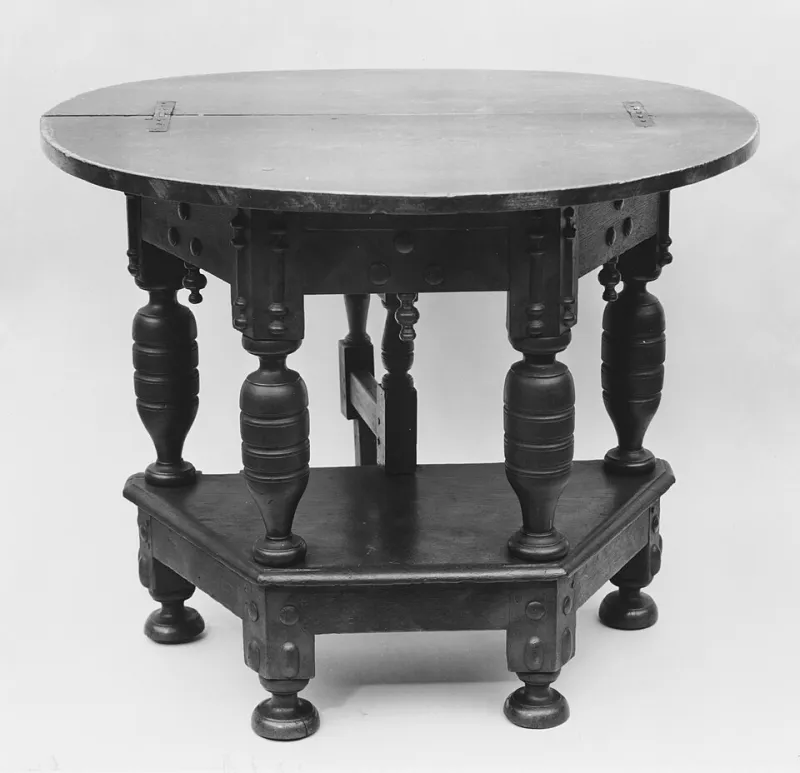
Photo: Unknown, CC0, via Wikimedia Commons
Gift wrapping has a habit of expanding to fill whatever space you give it. A quick present on the kitchen table becomes a roll of paper on the sofa, a bag of tags by the kettle and a pair of scissors that vanish somewhere between the fridge and the downstairs loo. By Christmas Eve, the whole house feels like it has been dusted with glitter and offcuts.
The answer is not a permanent craft room or another trip to the shops for storage. For most UK homes, the smarter move is a pop-up wrapping station: a temporary zone that appears when you need it and disappears once the last present is tagged. For the 2026 festive season, keep it simple. One folding table, one storage box and a clear rule about what belongs there.
Pick a spot that can be cleared, not decorated
You want somewhere with decent light, a bit of floor space and a door you can close if visitors arrive. A spare bedroom is ideal. A hallway corner can work if it is not the main walkway. Even a section of the dining room is fine, as long as you are honest about how long the table will stay up.
Avoid the kitchen table if it is also the household hub. Wrapping and meal prep do not mix well, and nothing kills festive goodwill faster than moving a half-wrapped jumper to get to the microwave. A small folding table in a low-traffic corner is less romantic than a dedicated wrapping room, but it is far more likely to survive the season.
It also helps to choose a spot near where you keep the gifts. If the presents are currently stacked in the spare room, do not set up in the loft. The station should reduce footsteps, not add them.
The four-item rule that stops the sprawl
Before you set anything out, decide what the station is for. The rule is paper, tape, tags and scissors. That is the core. Everything else is optional and should be treated with suspicion.
A single storage box holds the lot. A deep Really Useful Box, a sturdy shoebox or a lidded basket all work. The box does two jobs: it keeps supplies together and it sets a physical limit. If it does not fit in the box, it does not join the station. That one rule prevents the slow creep of ribbon, bows, gift bags, tissue paper and that novelty tape you bought in a moment of weakness.
It also stops you buying duplicates. Most of us already own enough wrapping paper to get through a small village fete. Before you add anything to the box, empty it out and check what you have. Half-rolls from last January, a packet of tags with three missing, a tape dispenser that works if you hold it at the right angle. Use those first. The station is not a shopping list; it is an editing exercise.
Set up in five minutes, wrap in batches
A folding table is the backbone of the whole thing. Put it up, open the box and arrange the four core items within reach. Keep the paper standing upright in the box if the rolls are tall enough, or lay them flat if they are not. Put the tape on the table, not on the floor. Keep tags in a small envelope or the box lid. Scissors go back in the box the moment you finish a session, not into the black hole of the kitchen drawer.
Add one bin bag for offcuts and one bag for recycling. That is the only concession to extra kit. A bin bag on the floor beside the table catches the worst of the paper avalanche and makes the pack-down much quicker.
Work in batches rather than wrapping one present at a time over three weeks. Set aside an hour, put on a playlist or a film you have seen before, and work through the pile. Batch wrapping is faster because you are not getting the tape out and putting it away every time. It also contains the mess to one session rather than letting it colonise the house.
Contain the paper avalanche
Wrapping paper is the main offender. It unrolls, creases, tears and sheds offcuts everywhere. Keep a folded bin bag on the floor and sweep the offcuts into it as you go. If you have a long roll, cut what you need and put the rest back in the box rather than leaving it across the table.
Try to wrap one present at a time. It sounds obvious, but the temptation is to cut paper for three gifts, then realise you have misjudged all three. One gift, one piece of paper, one tag. If you are wrapping something awkward, put it on the table and measure before you cut. This is not a craft competition. It is a damage-limitation exercise.
If children want to help, give them a job that does not involve the good scissors. They can put tags in a pile, draw on plain paper or carry wrapped presents to the staging area. A small tub of crayons or stickers can keep them occupied without adding another layer of clutter to the station.
Pack down in ten minutes
This is the part that makes the pop-up station worth it. When the last present is wrapped, do not leave the table up just in case. Pack it down properly. Roll or fold any loose paper and put it in the box. Close the tape, put the scissors back in their place and gather every tag. Check the floor for offcuts and stray bits of ribbon. Fold the table and lean it against a wall or put it back in the cupboard.
The box goes back to its home: under the bed, on top of the wardrobe, in the understairs cupboard. The whole pack-down should take about ten minutes if you have kept to the four-item rule. If it takes longer, that is a sign the station had quietly become a permanent craft stash. Next time, be stricter about what comes in.
A small station, a calmer December
The point of a pop-up wrapping station is not to make gift wrapping Instagram-perfect. It is to give the job a place to happen, then take that place away. You do not need a dedicated room, a new shelving unit or a label maker. You need a table that folds, a box that closes and the discipline to stop the supplies multiplying.
Set it up when you are ready to wrap, keep the paper and tape contained, and pack it down before it becomes part of the furniture. By Boxing Day, the corner should look like a corner again. That is the quiet win: a calmer room, a clearer table and one less thing to tidy in January.