The Cold Audit: Making Your Freezer Earn Its Keep Before Winter
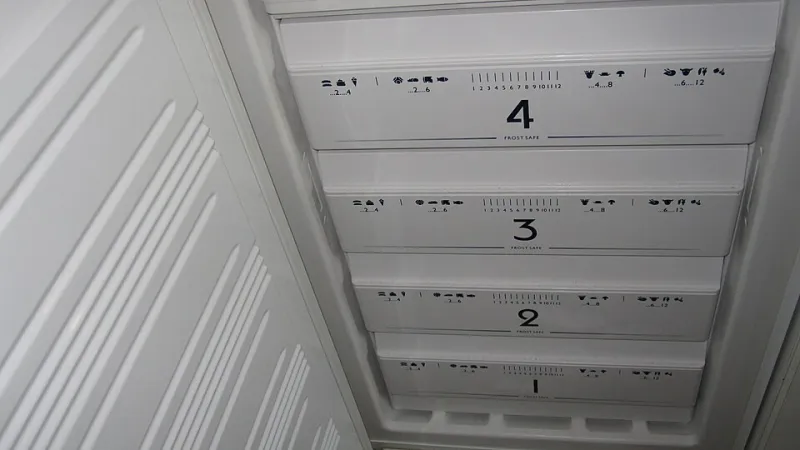
Photo: Tiefkuehlfan, CC BY-SA 3.0, via Wikimedia Commons
There is a particular kind of optimism that comes with stuffing a carrier bag of something into the freezer and closing the door. It is the belief that future-you will remember what it is, when it went in, and why it mattered. Future-you, of course, will be standing in front of an open freezer at 6.40pm on a Tuesday, muttering. A freezer is many things. A time capsule is not one of them.
As we head into winter, the freezer tends to fill up. Comfort food goes in. Yellow-sticker bargains go in. The last of the garden glut goes in. Then the big shop arrives and we buy another bag of peas because we cannot see the first one. That is not a storage problem. It is a visibility problem, and it is usually solved by a cold audit rather than a bigger freezer.
Start with the door, not the drawers
The door is where good intentions go to congeal. Open every jar, tub and bag. Wipe the shelves. Bin anything that has been open since a previous life. Check the ice cube tray, the frozen herbs and the half-used bag of something that has become one solid lump. The door should hold things you use often: herbs, chopped garlic, a bag of peas if that is where you actually look for them. It should not be a museum of condiments.
The top shelf: leftovers and ready meals
This is the shelf that needs the most honesty. Pull everything out and ask three questions. What is it? When did it go in? Would I be pleased to eat it next week? If the answer to the last one is no, let it go. If it is yes, label it properly. Masking tape and a marker are enough. Write the contents, the number of portions and the date. 'Chilli, 2 portions, 14 Oct' is a gift to future-you. 'Mystery tub' is a dare.
The drawers: where duplicates hide
Take the drawers out if you can. Work quickly, using a cool bag or a tea towel to keep things cold. Group like with like: meat and fish, vegetables, carbs, sweet things. You will almost certainly find three open bags of sweetcorn, two half-bags of Yorkshire puddings and a fish finger orphan. This is the moment to build a use-first shelf.
Choose one shelf or a small basket and put the items that need eating soonest there. Not the oldest thing in the freezer for the sake of it, but the thing that will genuinely make a meal easier this week. A use-first shelf is not a graveyard. It is a runway. Everything on it has a departure date.
The pantry deserves the same cold eye
The freezer audit works best if you do the pantry at the same time. Not a full decant-into-glass-jars project. Just a shelf-by-shelf check. Pull forward the things you use, check dates, and spot duplicates. If you have four tins of chopped tomatoes, you do not need to buy a fifth because they are on offer. Put the older ones at the front. Write a short list of meals that use them: pasta sauce, curry, soup, shakshuka. That is not meal planning in the Instagram sense. It is just making sure the food you own has a job.
Labels, portions and the flat-bag rule
Labelling is not admin for its own sake. It is what turns a freezer from a lucky dip into a kitchen tool. Use freezer bags, tubs or silicone trays, but keep portions realistic. Freeze sauce in single or double portions rather than one giant brick. Flatten bags of soup, stew or bolognese before freezing; they stack better and thaw faster. If you are freezing something you cooked, add a note about reheating if it is not obvious. A little information now saves a lot of hovering later.
Meal-planning prompts that actually help
Before you close the door, take a photo of the use-first shelf. That is your shopping list's new best friend. Ask yourself: what can I build around these items with what I already have? Do I need rice, pasta, wraps or potatoes? Is there a night this week when a ready meal from the freezer is the difference between a calm evening and a takeaway? Put that meal in the plan on purpose.
Then make one small rule. If you buy another bag of peas, you must eat the peas. If the freezer is full, the next shop is a top-up shop, not a stock-up shop. This is how decluttering becomes waste prevention rather than just tidying.
Keep it small and repeatable
You do not need to defrost the whole freezer unless it needs it. A 40-minute audit, a roll of tape and a pen will do. Check your council's guidance for anything you are unsure about, and never refreeze food that has thawed accidentally. The aim is not a showroom freezer. It is a working one: visible, labelled, portioned and a little bit emptier than it was this morning. Clear space, calm mind, and a Tuesday tea that does not begin with a guessing game.