The Basket Is Not the Answer: Why Editing Beats Buying More Storage
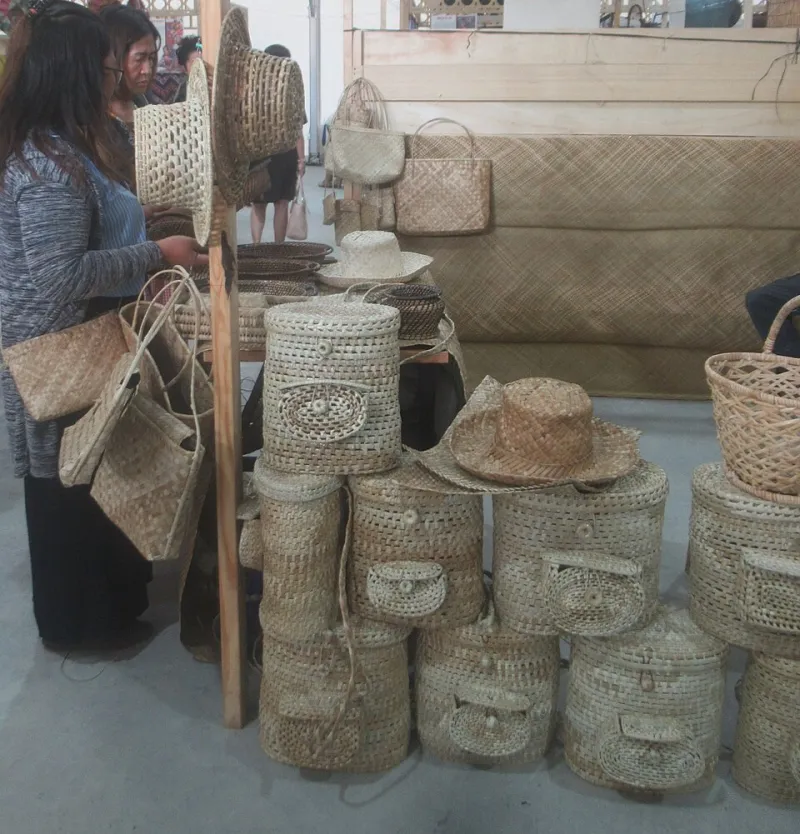
Photo: P1898, CC BY 4.0, via Wikimedia Commons
There is a particular kind of hope in a wicker basket. It promises that this time the hallway will stay tidy, the under-bed bags will solve the spare room, and the labelled boxes will finally make sense of the loft. It is a lovely promise. It is also, quite often, a very expensive way of avoiding a decision.
None of this is a personal failing. Storage shopping is pleasant. The baskets are attractive, the shelves are orderly, and buying a matching set feels like doing something. But there is a difference between organising and procuring. One is about editing what you own; the other is about finding a nicer place to put it.
Why storage shopping feels like organising
A basket gives you the sensation of control without the discomfort of choice. You do not have to ask whether you need the third set of spare bedding or the charger for a phone you no longer own. You just put it in a box and feel virtuous. The box becomes a promise: I will deal with this later. Later rarely comes.
There is also the aesthetic pull. Social media is full of calm cupboards, matching jars and neatly labelled bins. It looks like a system. But a photograph cannot show you the four bags of unidentified cables behind the camera. We copy the look and skip the edit. That is how a storage problem becomes a shopping habit.
What the basket hides
The first thing it hides is volume. A pile on the floor is honest. A pile inside an under-bed bag is out of sight and, somehow, out of mind. The second thing it hides is repetition. You buy a basket for the hallway, then another for the cupboard, then a shelf for the baskets. The stuff has not shrunk. It has simply been given more real estate.
In smaller British homes, that real estate is precious. Victorian terraces, new-build flats and rented rooms rarely have a spare cupboard to absorb the overflow. When storage runs out, we tend to buy more storage rather than ask harder questions. Eventually the storage unit becomes a second home for things we do not use. That is not organisation. That is paying rent on indecision.
The subtraction-first approach
Start with one zone, not the whole house. Empty it completely. Sort everything into keep, donate, recycle and bin. Be honest about the 'not sure' pile: date it, seal it, and agree to revisit it in a month. Most people do not miss what is in it.
Then ask a simple question: if I saw this in a shop today, would I buy it? If the answer is no, it does not need to live in your home. This is not about minimalism for its own sake. It is about making room for the things you actually use.
Only after you have edited should you think about containers. Measure the space. Measure the remaining items. Use what you already own before buying anything new. A supermarket crate, a sturdy shoebox or an old ice cream tub can do the same job as a labelled bin. The container should fit the life, not the other way round.
What to do with the containers you already own
Do not throw them out in a fit of purge. Use them for categories you have genuinely edited: one box for batteries, one for gift wrap, one for winter gloves. If you have more containers than categories, offer the spares on Freecycle or Olio, donate them to a charity shop, or return unused ones. An empty basket is not a failure. It is proof that you have less than you thought.
If a container is cracked, stained or the wrong size, let it go. Storage should not become another thing to manage. The aim is a home where the things you own have a place, not a home where every place has a box.
The honest test
Stand in front of your fullest cupboard and ask whether the problem is the container or the quantity. If the cupboard is full, the answer is not another shelf. It is a decision. Baskets are fine. They are useful. They are not a strategy.
Clear space, calm mind — and fewer boxes to dust.